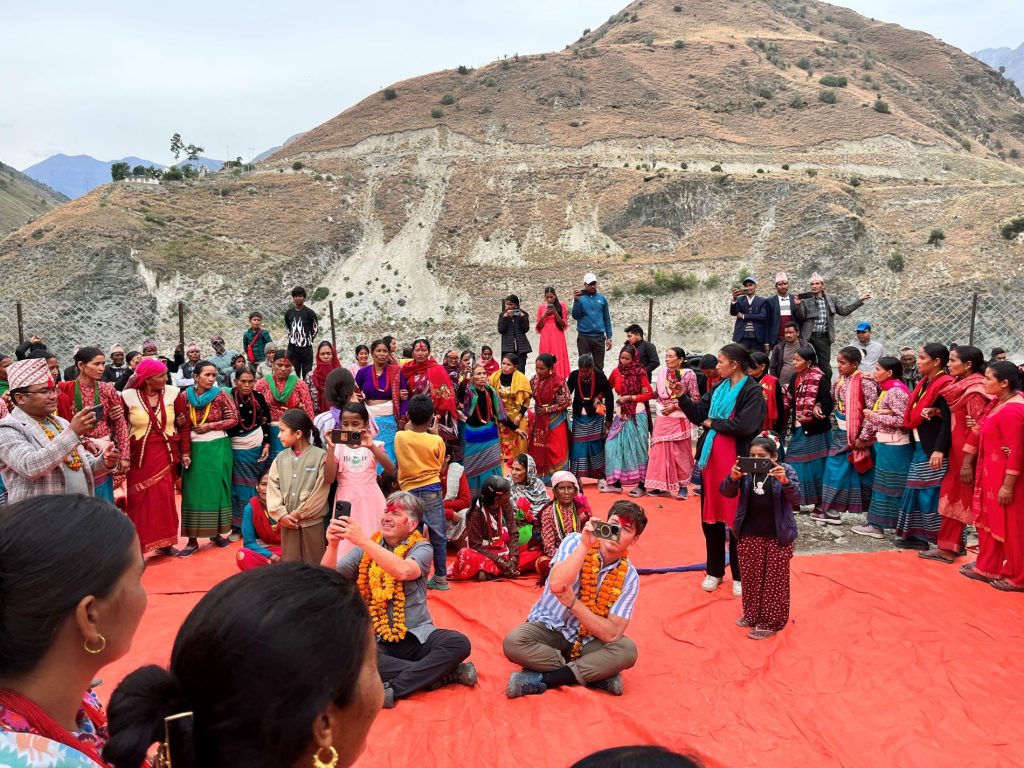
Bajura is one of those places where travelling and learning naturally come together. Located in the far-western hills of Nepal, the district is known for its rugged landscape, scattered settlements, strong community traditions, and a way of life that remains closely connected to the land. For international medical students, a visit to Bajura offers something quite different from the experience of studying in a major city or teaching hospital. Here, students can see how people live, work, and access essential services in communities where distance and geography can have a real influence on everyday life. A study visit may include time at rural health centers, interaction with doctors, nurses, community health workers, and residents, and observation of the way basic healthcare is delivered with the resources available. Students can develop a better understanding of primary healthcare, preventive medicine, maternal and child health, health education, community outreach and referral systems, while also seeing the practical challenges faced by health professionals working in remote areas.
Beyond medicine, Bajura provides an opportunity to understand the social side of health—how family, livelihood, education, income, culture, environment, and access to transportation can influence whether and when people seek medical care. Conversations with local communities can be as valuable as clinical observation, allowing students to listen to people’s experiences and appreciate perspectives that may not be visible in a hospital setting. The journey itself is part of the experience, taking students through changing landscapes, traditional villages, and mountain terrain while giving them a glimpse into everyday life in rural Nepal. For students who want their international medical experience to be more than a hospital attachment, Bajura offers a genuine opportunity to learn from people, communities, and healthcare workers while developing a deeper appreciation of public health, rural medicine, and health equity. It is a chance to leave the familiar academic environment behind for a while and see how healthcare works where community, geography, and available resources are closely intertwined.