
Bajura Community Exposure
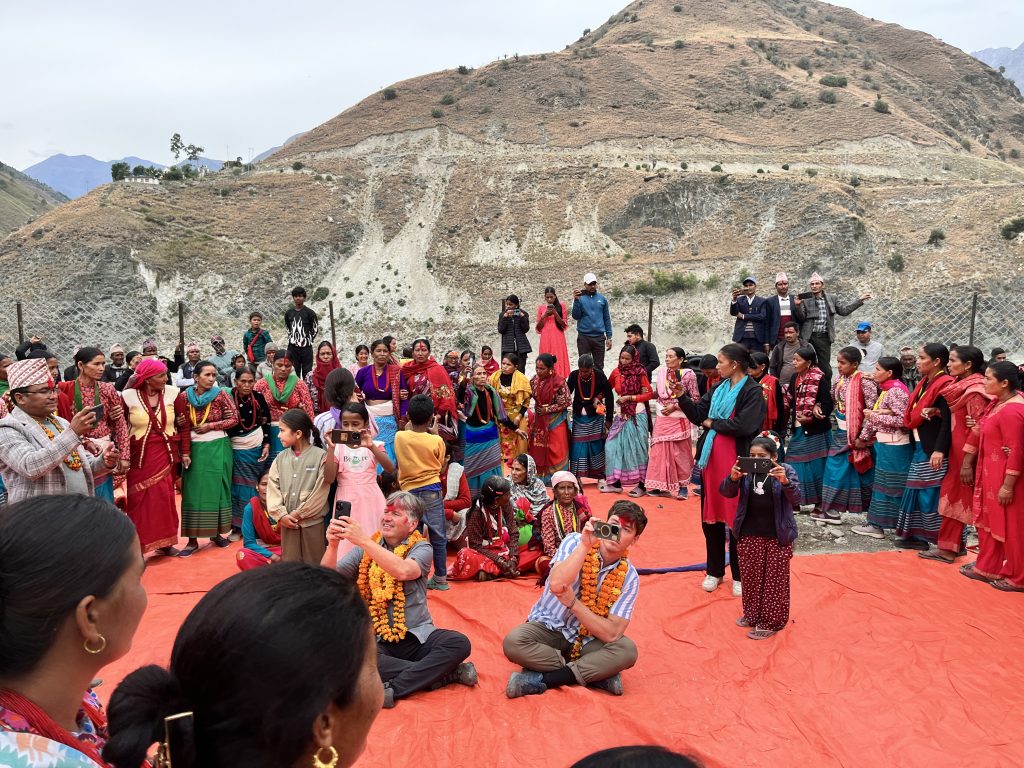
A Living Classroom for Global Public Health in Nepal’s Bajura District. Bajura, which is tucked away in the isolated highlands of far-western Nepal, provides medical and public health students with a unique chance to see healthcare where it counts most. The district offers practical exposure to community-based healthcare delivery, infectious illnesses, maternity and child health, nutrition, climate-related health issues, and rural health systems. Students gain vital insights into primary healthcare, health equity, and culturally sensitive practice while working alongside committed local health professionals and communities.
Bajura is more than just a placement; it’s a comprehensive educational experience that fosters clinical knowledge, perspectives on global health, and a long-term dedication to enhancing health outcomes in marginalised populations.
GEI Asia’s project activities:
Ongoing activities | Exposure opportunities for global learners |
The Kuna-Karnali Region Centre for Agro-tourism, Health and Community Development Project | Experience a groundbreaking mountain development model in Sudurpashchim. This immersive opportunity combines majestic trekking and rafting with high-impact site visits. Witness climate-resilient agro-tourism, remote pediatric nutrition networks, and an innovative community hub, offering a scalable, data-driven blueprint for global sustainable development. |
Community Health Nursing Program | This immersive program provides firsthand exposure to grassroots health system strengthening through digital health integration and public health community work. Participants will witness frontline nurses deploying digital tools to streamline rural diagnostics, manage patient data, and deliver impactful community-led health interventions, offering a scalable blueprint for modern public health equity. |
Integrated Maternal Neonatal and Child Health Project | This immersive program offers students an unparalleled opportunity to witness health system strengthening firsthand. Observe municipal partnerships drive equitable service delivery, engage in targeted outreach for marginalized communities, and analyze evidence-based data packages, gaining a scalable blueprint for sustainable public health replication and nationwide impact. |
What Can Students Learn from a Community Visit to Bajura?
Experience firsthand the social, environmental, and health factors that influence people’s lives during a community immersion in Bajura. Pupils will have the chance to learn about:
- Primary healthcare delivery in remote mountain communities.
- Maternal, newborn, and child health services and challenges.
- Community Health Worker Systems, including Female Community Health Volunteers (FCHVs) and their role in health promotion.
- Nutrition and Food Security, including childhood nutrition and community nutrition interventions.
- Water, Sanitation, and Hygiene (WASH) practices and their impact on public health.
- Communicable Disease Prevention and Control, including surveillance and community awareness.
- Non-Communicable Diseases (NCDs) and the growing burden in rural populations.
- Mental health challenges, stigma, and access to services in remote settings.
- Climate Change and Health, including the impacts of changing weather patterns on livelihoods and disease.
- Health education and behavior change communication through community engagement.
- Traditional Healing Practices and the Integration of Cultural Beliefs into Healthcare.
- Disaster Preparedness and Emergency Health Response in a geographically challenging district.
- Rural health management, governance, and health service planning.
Agriculture and Livelihood Learning
In order to comprehend the intimate connection between agriculture, nutrition, the environment, and health, students will also visit nearby farms and agricultural learning centers. Among the learning opportunities are:
- Climate-resilient and sustainable farming practices.
- Kitchen gardening and household nutrition.
- Organic farming and soil health management.
- Irrigation and water conservation techniques.
- Community seed banks and indigenous crop preservation.
- Livestock management and zoonotic disease prevention.
- Nutrition-sensitive agriculture and food diversity.
- Farmer cooperatives and rural livelihoods.
- Agroforestry and environmental conservation.
- The role of agriculture in preventing malnutrition and improving community well-being.
Students receive a comprehensive awareness of how healthcare extends beyond hospitals into homes, farms, schools, and communities through these experiences, preparing them to become globally minded health professionals capable of tackling the wider determinants of health.