
Advancing Clinical Skills Through Global Learning
Located in Pokhara, Nepal, with a Mediterranean climate, and also a tourist city (acknowledged by the world) for its lake, the shadow of mountains on the lake, and it’s also said that this city is the only city where mountains are within a crow’s flying distance.
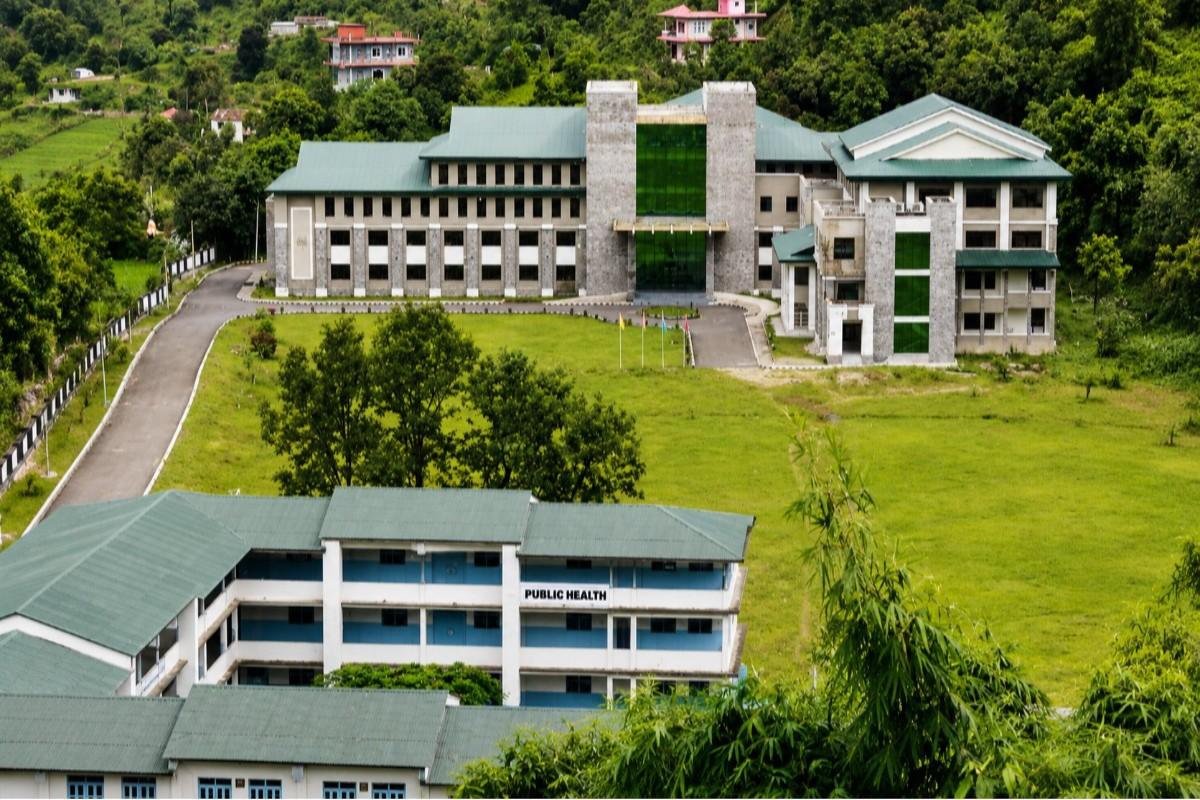
Through a tour and academic engagement at Gandaki Medical College, international medical students get an excellent opportunity to learn about medical education and healthcare delivery in Nepal. As a respected educational establishment, the college provides exposure to a range of clinical cases, patient-centered care, and multidisciplinary collaboration across several medical disciplines.
Through hospital observations, interactions with faculty and medical professionals, and participation in academic discussions, students gain knowledge about healthcare in a lower-middle-income country, clinical decision-making in resource-diverse settings, and the management of both communicable and non-communicable diseases.
The experience also fosters cross-cultural understanding, global health perspectives, and an appreciation of how medicine is practiced in various healthcare systems.
Regardless of their career path—public health, nursing, or medicine—students leave with enhanced clinical knowledge, greater cultural competency, and a broader awareness of global healthcare accomplishments and problems.
What Can Students Learn from Gandaki Medical College?
Gandaki Medical College offers educational opportunities for international students to learn about clinical practice, medical education, and Nepal’s healthcare system. Students can learn about:
- Clinical assessment, diagnosis, and patient management across multiple specialties.
- Internal Medicine, General Surgery, Pediatrics, Obstetrics & Gynecology, Orthopedics, Psychiatry, and Emergency Medicine.
- Clinical reasoning and evidence-based medical decision-making.
- Patient-centered care and multidisciplinary teamwork.
- Hospital operations, healthcare administration, and quality improvement systems.
- Medical education in a teaching hospital and the integration of classroom learning with clinical practice.
- Management of communicable and non-communicable diseases common in South Asia.
- Maternal, newborn, and child healthcare services.
- Infection prevention and control practices in hospital settings.
- Medical ethics, patient communication, and professionalism.
- Diagnostic services, radiology, pathology, and laboratory medicine.
- Public health challenges and the referral system connecting primary, secondary, and tertiary healthcare.
- Community outreach programs and preventive healthcare initiatives.
- Research methodologies, clinical audits, and opportunities for academic collaboration.
- Cross-cultural healthcare delivery and the influence of social, economic, and cultural factors on patient care.
Students gain improved clinical skills, cultural competency, and a deeper comprehension of global health systems through clinical observation, engagement with seasoned teachers and medical professionals, and involvement in scholarly discussions. Future medical professionals are more equipped to provide compassionate, evidence-based treatment in a variety of clinical settings across the globe thanks to this experience.
GEI Asia’s project activities:
Ongoing activities
Clinical Exposure in Gandaki Medical College
Exposure opportunities for global learners
This clinical exposure at Gandaki Medical College offers a rare opportunity to train in Pokhara, Nepal’s premier medical hub, set against the Annapurna Mountains and serene lakes. Beyond clinical rotation, participants experience unique cultural immersion as they interact with diverse patients migrating from remote northwestern hilly trekking routes.